One Shot to Skip the Scalpel: Regenerative Medicine Explained
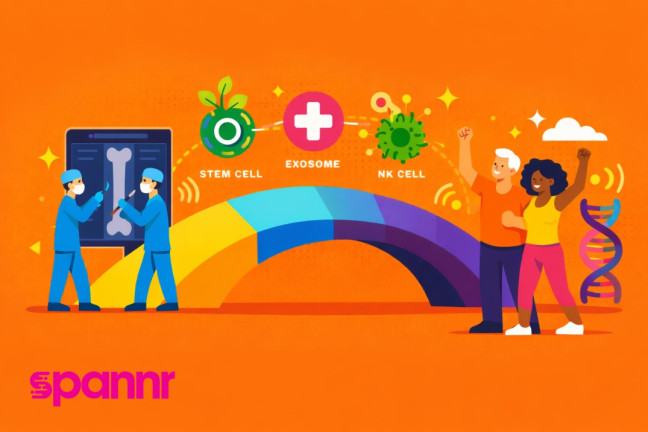
One Shot to Skip the Scalpel: Inside Regenerative Medicine’s New Playbook
Regenerative medicine is expanding the space between “do nothing” and “major surgery.” Stem cells, exosomes, and emerging NK cell therapies aim to reduce inflammation, stimulate tissue repair, and improve function without hardware or irreversible procedures. These tools do not replace training, sleep, or nutrition, but they are reshaping what “last resort” means for joints, spine, and longevity.
What Is Regenerative Medicine and How Is It Different From Surgery?
When I first heard Dr. Jeffrey Gross described as “the stem cell whisperer,” I assumed it was marketing. Then we sat down at the HealthSpan Summit, and he explained how he went from spine neurosurgeon to full-time regenerative medicine clinician. That pivot alone says something important.
Traditional orthopedic and spine care follows a familiar script. Pain appears. Imaging looks bad. Conservative care buys time. Eventually, the answer becomes replacement, fusion, or hardware. Despite better implants and cleaner techniques, the core model has not changed much in decades.
What Dr. Gross saw was a massive gap between “you’re fine” and “we’re cutting you open.” Regenerative medicine exists to fill that gap.
Instead of removing tissue or installing hardware, regenerative approaches use biologic signals to reduce inflammation and encourage repair. These include platelet-rich plasma (PRP), stem cell–derived products, exosomes, and newer immune-based tools. The objective is not to rebuild the body from scratch, but to shift damaged tissue out of a degenerative loop and back toward repair.
In other words, the goal is not replacement. It is re-activation.
Why Are Stem Cells, Exosomes, and NK Cells Important for Longevity?
Stem cells are best understood as signaling hubs. While early embryos contain highly flexible stem cells, adults retain multipotent stem cells in bone marrow, fat, and other tissues. These cells coordinate repair by releasing growth factors, peptides, and signaling molecules.
With age, chronic inflammation, oxidative stress, and metabolic dysfunction impair this signaling network. Stem cells decline in both number and effectiveness. Regenerative medicine attempts to counter this decline by concentrating or supplementing biologic signals.
A critical insight is that stem cells themselves rarely become new cartilage or bone. Instead, they send instructions. That is why many advanced clinics now emphasize exosomes, which are nano-sized vesicles that deliver those signals directly. Exosomes travel efficiently through tissue, are easier to standardize, and avoid many logistical challenges of full cell therapies.
Natural killer (NK) cells add a different dimension. These immune cells patrol for abnormal cells, including senescent zombie cells and cancerous cells. Early studies suggest that NK-cell-derived exosomes may reduce senescent burden and influence biological aging markers for extended periods after a single treatment.
For longevity, this matters because senescent cells actively drive inflammation and tissue dysfunction. Clearing them in a targeted way may support healthier aging at the cellular level.
How Do Stem Cell and Exosome Therapies Work for Joints and Spine?
Joint cartilage and spinal discs are maintained by active cellular processes in underlying bone. Over time, inflammation at the bone-cartilage interface disrupts those processes. We call the result “arthritis,” but biologically it is a signaling problem.
Dr. Gross focuses on identifying these inflamed zones using high-resolution 3T MRI with specialized sequences. Rather than injecting broadly “into the joint,” treatment targets the areas driving degeneration.
Most protocols involve a single image-guided injection session using stem-cell-derived exosomes, sometimes layered with peptides such as BPC-157 or TB-500 for soft-tissue support, and mitochondrial peptides when systemic fatigue is present.
Structural change is slow. Cartilage and bone turnover occur over months, not weeks. Clinical improvement typically unfolds over six to twelve months. However, patients often avoid the extended rehabilitation, infection risk, and permanent hardware associated with surgery.
One case Dr. Gross shared involved a 79-year-old artist whose joint pain improved and mobility returned after treatment. Unexpected neurological improvement followed. This is not a guaranteed outcome, but it illustrates how system-wide biologic signaling can have effects beyond the initial target.
What’s Next for Regenerative Medicine and Cancer Care?
Most regenerative therapies are avoided in active cancer due to uncertainty about how growth signals might affect tumors. NK-cell-derived therapies are different.
NK cells selectively target abnormal cells. Early research shows NK cells and their exosomes may reduce tumor burden and circulating cancer cells without stimulating healthy tissue growth. These same mechanisms may also help clear senescent cells.
Two constraints currently limit broader use: production complexity and regulation. Manufacturing therapeutic NK exosomes is difficult and expensive, and regulatory frameworks remain cautious. As a result, current access is typically limited to oncology patients, post-remission support, or individuals with high molecular risk.
If scalable production becomes feasible, targeted senescent-cell clearance may become a cornerstone of future longevity protocols.
How Can You Reduce Your Risk of Surgery With Regenerative Medicine?
This is where expectations matter.
There are two tracks that must run in parallel.
Track One: Foundation
> Heavy resistance training three times per week
> Adequate protein intake
> Vitamin D with K2 and omega-3s
> Consistent, high-quality sleep
These are non-negotiable. Regenerative therapies amplify results; they do not replace fundamentals.
Track Two: Early Awareness
If joint or spine pain is already present, consult a regenerative specialist before surgery becomes the default. These approaches are most effective in the “middle ground” where damage is present but not irreversible.
If a joint is structurally destroyed or a spine is fully fused, biology alone may not be sufficient. But for many people, that middle ground lasts years, and intervention there can change the trajectory entirely.
FAQs about Regenerative Medicine
Are stem cell and exosome treatments FDA approved?
In the U.S., these therapies are generally not approved for specific marketing claims. They are used within physician-led practice under evolving regulatory guidance.
Is regenerative medicine a replacement for surgery?
No. It expands options before surgery becomes necessary. Some cases still require surgical intervention.
How long do results last?
Joint and spine benefits often develop over 6–12 months and may persist for years with proper training and lifestyle support. NK-cell studies show effects lasting up to two years.
Are NK cell exosomes only for cancer patients?
Currently yes, due to limited supply. Future applications may include broader senescent-cell targeting.
Should lifestyle or joints be fixed first?
Lifestyle comes first. Strength, protein, sleep, and inflammation control improve outcomes and durability of any regenerative therapy.
Disclaimers
Medical Disclaimer:
This content is for educational purposes only and does not constitute medical advice. Always consult a qualified healthcare professional before making changes to treatment or health strategies.
Affiliate Disclosure:
Spannr may receive compensation from partners or services mentioned. This supports our work and does not influence editorial integrity.
HIPAA / PHI Notice:
Do not share personal medical information with Spannr through unsecured channels.
About the Author