How Do You Reset Your Gut Health After Holiday Overeating?
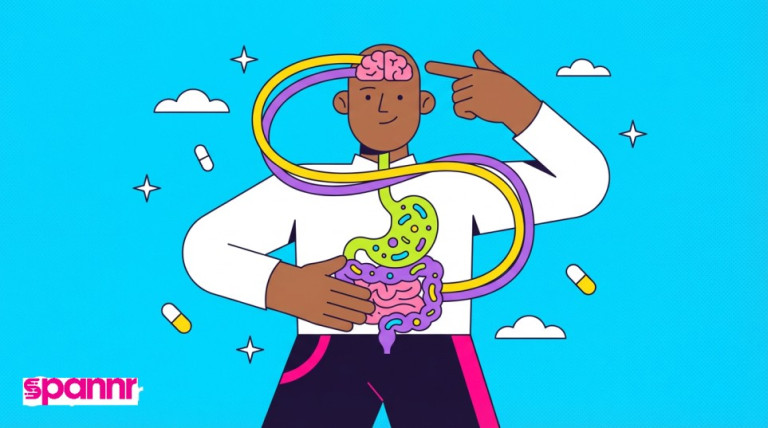
Your gut is the foundation layer of your longevity stack. If it is inflamed, leaky, or overloaded after the holidays, you will under-absorb nutrients, over-produce inflammation, and feel sluggish no matter how optimized your labs look. A simple 30-day reset built around hydration, fermented foods, prebiotic fiber, and targeted support can dramatically improve energy, digestion, and performance.
If you walked out of the holidays gassier, puffier, and more tired than you walked in, you are not broken - you are normal. Heavy meals, alcohol, stress, and bad sleep are basically a controlled demolition of your gut.
The problem is what happens next: most people jump straight back into "optimization" - more supplements, more protocols, more lab panels - without fixing the one system that makes all of it work in the first place.
Your gut is the multiplier on your entire longevity strategy. When it is dialed in, your nutrition and supplements actually land. When it is off, you are lighting money and effort on fire.
What Exactly Are We Talking About When We Say "Gut"?
When we talk about "gut health" in a longevity context, we are really talking about four overlapping systems:
> The microbiome - trillions of bacteria, fungi, and other microbes that live mostly in your large intestine.
> The gut lining - a single-cell-thick barrier with tight junctions that decides what gets into your bloodstream and what stays out.
> The immune layer - gut-associated lymphoid tissue (GALT), which accounts for roughly 70–80 percent of your immune system.
> The gut–brain axis - a bidirectional network of nerves, hormones, and metabolites that links your digestion, mood, focus, and sleep.
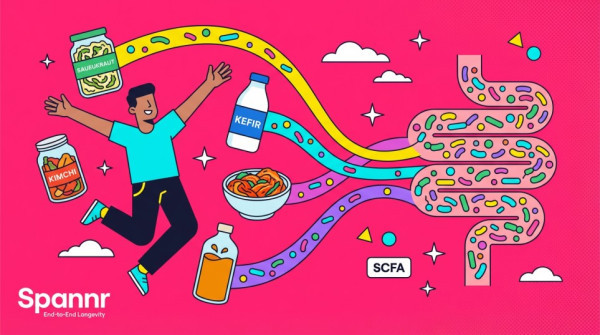
A healthy microbiome ferments fiber into short-chain fatty acids like butyrate, acetate, and propionate. Those SCFAs feed your colon cells, expand absorption surface area, improve mineral solubility, and help maintain tight junctions in the gut barrier. Without that, you can eat "perfectly" and still under-absorb key nutrients.
Now layer the holidays on top of that: ultra-processed food, alcohol, low fiber, stress, and poor sleep. You get a perfect storm of dysbiosis (microbial imbalance), low SCFA production, and increased gut permeability - the classic "leaky gut" pattern that shows up as bloat, brain fog, joint aches, and strange food reactions.
Why Your Gut Is Blocking Your Performance Gains
Once your basic labs and hormones are respectable, your gut is often the missing lever that makes everything feel better in real life.
Better absorption, better ROI
Your microbiome breaks down complex food molecules, synthesizes vitamins like K, B12, and biotin, and helps regulate the gut barrier. Plant fermentation can even improve protein absorption by reducing antinutritional compounds like phytates and tannins. If your gut lining is inflamed or leaky, you are literally flushing part of your protocol down the toilet.
Less inflammation, better recovery
Dysbiosis plus higher gut permeability lets bacterial fragments and toxins slip into the bloodstream, triggering chronic low-grade inflammation. Butyrate - one of the main SCFAs produced by beneficial bacteria - has potent anti-inflammatory effects in the gut, supports mucus production, and strengthens tight junctions. That is exactly what you want if you are trying to recover from training, avoid chronic pain, or keep CRP and other inflammatory markers low.
Weight, appetite, and cravings
Certain gut bacteria produce SCFAs that stimulate GLP-1 and PYY, two hormones that tamp down appetite and improve insulin response. When the microbiome skews the wrong way, ghrelin (hunger) and leptin (satiety) signaling can go sideways, which is why some people feel "always hungry" after a run of ultra-processed eating. Fecal transplant studies in animals show that microbiota from obese donors can literally transfer altered eating behavior and weight phenotype to lean recipients. Your bugs influence your behavior more than you think.
Mood, focus, and the gut–brain axis
Roughly 90 percent of your serotonin is produced in the gut. Stanford researchers and others have shown that gut-derived serotonin and microbial metabolites can directly influence brain circuits related to mood, sleep, and cognition. Dysbiosis has been linked to higher rates of anxiety and depression - not in a hand-wavy way, but through measurable pathways like inflammation, vagus nerve signaling, and tryptophan metabolism.
Bottom line: if you are bloated, inflamed, and foggy, good luck "optimizing" anything else.
How We Approach a Post-Holiday Gut Reset
Here is how we would structure a simple, budget-friendly 30-day gut reset that you can run at home. Think of this as a systems reboot, not a 10 out of 10 biohacker flex.
Phase 1: The Reset (Days 1–7)
Hydrate like you mean it
Alcohol, salt, and sugar pull water out of your cells. Start the day with a large glass of water and a squeeze of lemon to stimulate digestion and support the liver. Ginger, peppermint, or fennel tea can help with gas and cramping.
Give your gut a nightly reset window
Aim for a 12–13 hour overnight fast - for example, 7 pm to 8 am - where you only drink water or plain herbal tea. Intermittent fasting has been shown to increase microbiome diversity and improve metabolic markers in both animals and humans. You do not need to go full OMAD. Just stop eating late and let the system clean house.
Lighten the load
For this first week, keep meals simple and easy to digest: soups, stews, smoothies, cooked veggies, and moderate protein. Avoid ultra-processed foods, heavy fried meals, and alcohol while your gut lining is trying to calm down.
Phase 2: Rebuild (Days 7–30)
Now that the immediate fire is out, you can start rebuilding.
1. Fermented foods - daily
A 10-week Stanford trial found that a diet high in fermented foods - yogurt, kefir, kimchi, sauerkraut, kombucha - increased microbiome diversity and decreased multiple inflammatory markers across participants. Your move:
> 1–2 tablespoons raw sauerkraut or kimchi
> 1 glass kefir or plain yogurt with live cultures
> Optional kombucha or other fermented veggies
Think "small daily dose," not "half a jar in one sitting."
2. Prebiotic fibers - feed the good guys
Prebiotics (the fibers your microbes eat) drive SCFA production, which in turn fuels gut cells and tightens up barrier function. Easy adds:
> Onions, garlic, leeks
> Oats and barley
> Lentils and beans
> Bananas (slightly underripe)
> Dandelion greens or Jerusalem artichokes if you can find them
Human studies show whole grains and other prebiotic fibers consistently increase SCFAs and beneficial genera like Bifidobacterium and Lactobacillus. Start low if you are gassy and ramp slowly.
3. Bone broth - lining support
Bone broth delivers collagen, gelatin, glycine, and glutamine - all of which support gut barrier repair. Collagen and gelatin have been associated with reduced digestive symptoms, while glutamine is a primary fuel source for intestinal cells and helps maintain tight junctions. Two to three mugs per week is a solid, low-effort baseline.
4. Targeted supplements (optional but powerful)
If you want to layer in some low-friction support:
> L-glutamine (5–10 g per day)
Supports tight junction integrity, fuels enterocytes, and has been shown in clinical studies to normalize gut permeability over several weeks in stressed guts.
> Zinc carnosine
Used clinically in Japan for gastric support; trials show it improves gut permeability and symptom scores in people with NSAID-induced gut injury.
> Spore-based probiotics
Unlike fragile strains, spores survive stomach acid and can reduce post-meal endotoxin levels, lower inflammatory cytokines, and increase SCFA production in humans.
> Digestive enzymes
If you get heavy bloating after meals, a blend of protease, lipase, and amylase can reduce symptoms of functional indigestion in some patients.
None of this replaces proper testing or working with a clinician if your symptoms are severe. But as a 30-day "gut sprint," it is a strong starting point.
What Is Next if Things Still Feel Off?
After a month of this, you should have a decent read on your trajectory.
If your bloating, gas, and brain fog are trending down and your energy is trending up, keep going. The gut loves consistency. Many people need 60–90 days of steady inputs before things feel truly different.
If you are still dealing with:
> Daily distension and visible bloating
> Pain, cramping, or nausea
> Loose stools, constipation, or rapid swings between the two
then it is worth asking your clinician about SIBO (small intestinal bacterial overgrowth), inflammatory bowel disease, or other structural issues.
SIBO breath testing looks at hydrogen and methane output after specific carbohydrates. Treatment usually combines targeted antibiotics like rifaximin, motility support, and diet - this is not a DIY job.
From our side at Spannr, we treat gut work as part of the core healthspan stack, not an afterthought. When your digestion, absorption, and barrier function are in a good place, every other lever you pull - training, cold exposure, hormone optimization, smart supplementation - pays a bigger dividend.
And if you are reading this thinking "yes, this is me right now," you do not have to fix everything this week. Start with water, a nightly fast, one fermented food, and more fiber. Stack from there.
– Brent
FAQs (5 items)
How long does a gut reset actually take?
Most people feel some improvement within 1–2 weeks, but meaningful changes in symptoms and energy usually take 30–60 days of consistent habits.
Do I need a stool test to start working on my gut?
Not to start. Hydration, fermented foods, fiber, and a simple fasting window can move the needle. Testing becomes more useful if symptoms are severe or do not budge after 4–8 weeks.
Can I drink alcohol during a gut reset?
You can, but it will slow progress. If you do drink, keep it low, avoid sugary mixers, and leave alcohol out entirely for at least the first 7 days.
Are probiotics mandatory for gut healing?
No. Food-first strategies and prebiotic fibers are foundational. Probiotics, especially spore-based options, are a helpful tool, not a requirement.
How do I know if I might have SIBO instead of "just" dysbiosis?
Daily bloating that worsens through the day, lots of gas, and loose stools or constipation despite diet changes are red flags. That is a good time to talk to a functional or GI clinician about breath testing.
Disclaimers
Medical disclaimer:
Content is for educational purposes only and is not medical advice. Always consult a qualified healthcare professional before making changes to your health regimen.
Affiliate disclosure:
Spannr may receive compensation when you click partner links and make a purchase. As an Amazon Associate, we earn from qualifying purchases.
HIPAA/PHI notice:
Do not send personal medical information to this inbox. Spannr does not collect or store PHI via email.
Gut-microbiota-targeted diets modulate human immune status: Cell
Metabolic Effects of Intermittent Fasting - PubMed
Frontiers | Intestinal Short Chain Fatty Acids and their Link with Diet and Human Health
Intestinal Short Chain Fatty Acids and their Link with Diet and Human Health - PubMed
Neurobiology of butyrylcholinesterase - PubMed
Semaphorins in interactions between T cells and antigen-presenting cells | Nature Reviews Immunology
About the Author