Glass vs. Plastic: The Microplastic Longevity Problem
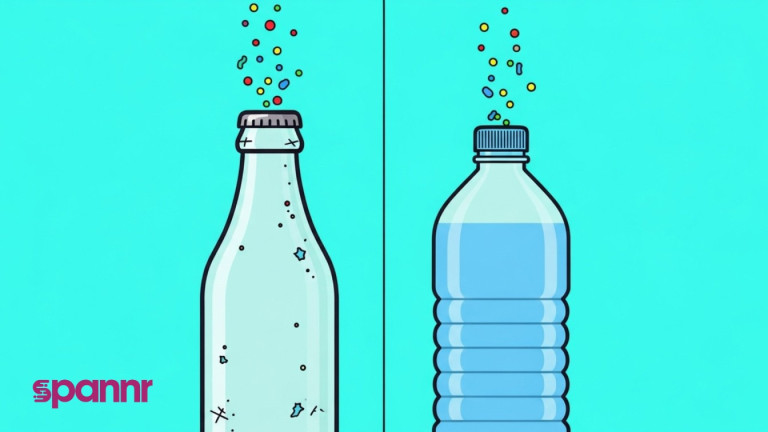
Are Microplastics Secretly Undermining Longevity?
Microplastics aren’t just an environmental problem — they’re now a biological threat. These tiny particles are showing up in human blood, organs, and even placentas, driving inflammation, hormonal disruption, and accelerated cellular aging. Switching from plastic to glass isn’t eco-trendy — it’s longevity strategy.
Microplastics accelerate aging by increasing inflammation, oxidative stress, hormonal disruption, and mitochondrial damage. Studies show these particles accumulate in the bloodstream, organs, and reproductive tissues, contributing to cardiovascular aging, metabolic decline, and cellular senescence. Reducing exposure through glass containers, filtered water, and natural fibers may help protect long-term health.
What Are Microplastics and How Do They Enter the Body?
Microplastics are tiny fragments — smaller than 5 millimeters — shed from everyday plastic items. Bottled water, synthetic clothing, plastic food packaging, carpets, cookware, and even household dust constantly release them.
For decades, plastic pollution was framed as an ecological issue. But the science has shifted: we now know these particles are getting inside us.
A 2024 study in the New England Journal of Medicine found microplastics in 88 percent of human blood samples, with the highest concentrations in people who consumed bottled water daily. Later studies found these particles embedded in the heart, liver, lungs, and even the placenta.
“Microplastics are now found in human blood, organs, and even the placenta, suggesting they accumulate over time and may accelerate biological aging.”
These particles are not biologically neutral. They interact with cells, generate oxidative stress, and disrupt normal metabolic function — the same pathways that drive aging.
How Do Microplastics Accelerate Aging and Inflammation?
Aging isn’t simply the passage of time. It’s the accumulation of microscopic damage — and microplastics are emerging as a new category of cellular toxin.
Laboratory and animal studies show that nanoplastics (the even smaller version of microplastics) can:
> Penetrate cell membranes
> Alter mitochondrial function
> Damage DNA repair pathways
> Trigger inflammatory cytokines like IL-6 and TNF-α
In a 2023 Nature Communications study, mice exposed to microplastics showed:
> Increased senescent cells
> Elevated systemic inflammation
> Accelerated biological aging markers
Early human data mirrors these patterns: higher exposure correlates with metabolic slowdown, hormonal imbalance, and chronic inflammation — all of which accelerate aging.
And unlike other environmental toxins, microplastics accumulate. Your body has no efficient way to break them down.
This means plastic exposure isn’t a one-time event — it’s a slow, compounding burden on your biology.
What Do Microplastics Do Inside the Body? (Oxidative Stress, Hormones, Metabolism)
Microplastics erode health gradually — not through acute toxicity but through chronic biological stress.
1. Oxidative Stress
Many plastics are loaded with chemicals like BPA, phthalates, flame retardants, and stabilizers. Once inside the body, these additives generate free radicals, damaging cell membranes, proteins, and DNA.
2. Hormone Disruption
Plastic chemicals act as endocrine disruptors. They mimic or block natural hormones, impacting:
> Fertility
> Thyroid balance
> Insulin signaling
> Sex hormones (estrogen, testosterone)
These disruptions directly affect longevity and metabolic health.
3. Metabolic & Gut Damage
Nanoplastics alter gut microbiome diversity, impair nutrient absorption, and weaken immune signaling.
4. Cardiovascular Aging
A 2024 Circulation Research study linked high microplastic blood levels to increased arterial stiffness, a hallmark of cardiovascular aging.
Even one plastic water bottle per day may deliver hundreds of thousands of particles per year. Switching to glass can cut that exposure by up to 90 percent.
Are Glass Containers Better for Longevity Than Plastic?
Yes — and the reasons go beyond simple preference.
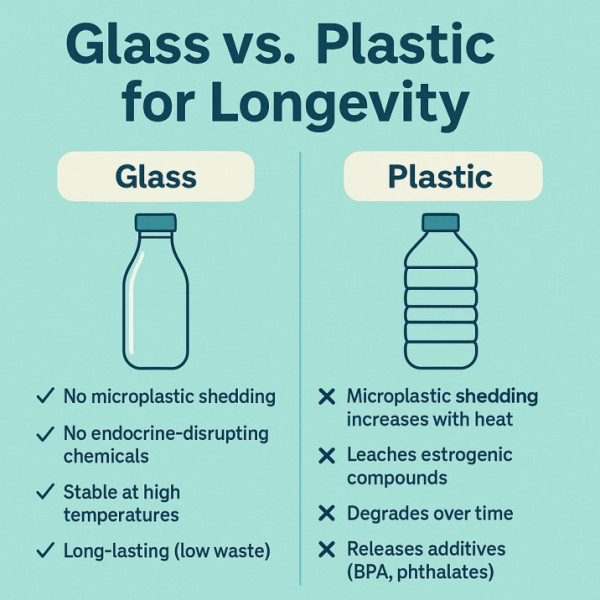
Glass Benefits:
> No microplastic shedding
> No endocrine-disrupting chemicals
> Stable at high temperatures
> Zero leaching during storage
> Lasts longer (low waste)
Plastic Risks:
> Microplastic shedding increases with heat
> Leaches estrogenic compounds
> Degrades with UV exposure
> Releases additives like BPA, PVC, phthalates
Glass is not just cleaner — it’s biologically quieter.
This matters in longevity, where minimizing “cellular noise” is crucial.
What Are the Worst Sources of Microplastic Exposure?
Based on current research, these are the highest contributors:
Top Microplastic Sources (Ranked):
> Bottled water — up to 100× more microplastics than tap water
> Synthetic clothing — sheds fibers into air and washing machines
> Plastic food packaging
> Tea bags made of nylon
> Cosmetics & exfoliants
> Car tires (airborne particles)
> Household dust
Avoiding packaged water alone can dramatically reduce daily exposure.
Microplastics and Fertility: Should You Be Concerned?
Emerging research suggests yes — and this is becoming a major public health concern.
Microplastics have been linked to:
> Reduced sperm count
> Lower sperm motility
> Altered ovarian function
> Hormonal imbalance
> Impaired embryo development
Placental studies have confirmed plastic fragments in fetal tissue, raising questions about long-term reproductive health impacts.
While research is still early, the trend is concerning — especially for people in their 20s, 30s, and 40s who expect modern fertility assistance to compensate for environmental stressors.
Can You Reduce Microplastic Levels in Your Body? What Science Shows
The field is evolving, but early human experiments suggest you can lower microplastic burden.
Promising interventions include:
1. Sauna / Heat Therapy
A 2024 pilot at Stanford’s Longevity Institute found measurable reductions after six weeks of consistent heat therapy.
2. Fiber & Binding Agents
Certain fibers and binding compounds capture microplastics in the gut before they enter circulation.
3. Sweat-Inducing Practices
Exercise and sauna promote excretion of plastic additives (like BPA).
4. High-Quality Water Filtration
Reverse osmosis filters can remove a majority of plastic fragments.
5. Minimizing Plastic Contact
Glass + stainless steel for:
> Water
> Storage
> Reheating
> Meal prep
Small changes add up.
Step-by-Step: How to Reduce Microplastic Exposure
> Drink from glass or stainless steel bottles.
> Avoid microwaving or reheating food in plastic containers.
> Choose natural fiber clothing (cotton, wool, hemp).
> Eat fewer packaged foods.
> Use a HEPA filter to reduce airborne particles.
> Use a reverse-osmosis or NSF-certified water filter.
> Avoid plastic-based tea bags, single-use utensils, and plastics exposed to heat.
In Closing (from Brent)
I used to think plastic was harmless convenience. Now I see it as a slow-moving biological tax — a daily drip of microscopic stress. Longevity isn’t about living forever. It’s about reducing the quiet, invisible pressures that chip away at us over time.
Switching to glass isn’t extreme. It’s common sense.
If you run a longevity or metabolic health clinic offering GLP-1 programs and want to streamline client onboarding, improve retention, or scale demand, explore the Clinic OS operating system used by top clinics at Longevity Clinic Marketing.
FAQ About Microplastics and Aging
How do microplastics get into our bodies?
Mostly through bottled water, processed foods, contaminated air, and synthetic clothing. Bottled water is often the largest single source.
Can microplastics accelerate aging?
Yes. Studies show they increase inflammation, oxidative stress, mitochondrial dysfunction, and cellular senescence — all major aging pathways.
What is the safest alternative to plastic containers?
Glass and stainless steel are the cleanest options with zero microplastic shedding.
Can you detox microplastics from the body?
Emerging evidence suggests sauna therapy, sweating, dietary fiber, and binding agents may help reduce the internal burden.
Are microplastics a fertility risk?
Animal and human studies show hormonal disruption and reproductive changes linked to microplastic exposure.
Disclaimers
Medical disclaimer:
Content is for educational purposes only and is not medical advice. Always consult a qualified healthcare professional before making changes to your health regimen.
Affiliate disclosure:
Spannr may receive compensation when you click partner links and make a purchase. As an Amazon Associate, we earn from qualifying purchases.
HIPAA/PHI notice:
Do not send personal medical information to this inbox. Spannr does not collect or store PHI via email.
About the Author