
Each hub pulls together the research, the gear, the clinics near you and the podcast episodes.
See every topic
Each hub pulls together the research, the gear, the clinics near you and the podcast episodes.
See every topic
The Supplements Hub
Which ones have real research, which ones are hype, and what I take myself. Graded honestly.
By Brent Wallace, longevity health coach, IIN certified Updated
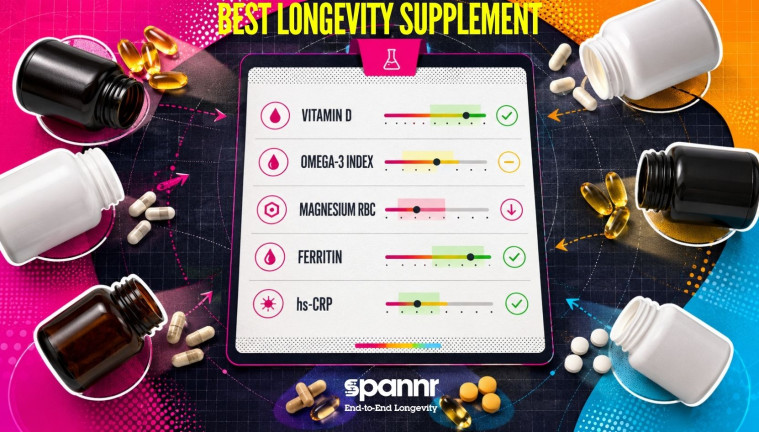
Start with bloodwork and fix what's low. Creatine has strong research. Vitamin D helps if you're low. Most longevity picks, like NMN, are early. And because the FDA doesn't approve supplements before they're sold, buy third-party tested.
The evidence meter
Filled segments show how strong the evidence is for the claim on the card.
With strength training, creatine adds muscle and strength. It's one of the most studied supplements there is.
In a trial of 25,871 adults, vitamin D didn't prevent cancer or heart disease. It did lower autoimmune disease. Test first.
Sources: Manson et al., New England Journal of Medicine, 2019 (opens in a new tab) Hahn et al., BMJ, 2022 (opens in a new tab)
Fish oil at a standard dose of 1 g a day didn't lower major cardiovascular events in a big trial. A high-dose prescription form cut heart events in high-risk patients.
Sources: Manson et al., New England Journal of Medicine, 2019 (opens in a new tab) Bhatt et al., New England Journal of Medicine, 2019 (opens in a new tab)
Small trials found turmeric extract eased arthritis pain. The trials were small and short.
Source: Daily et al., Journal of Medicinal Food, 2016 (opens in a new tab)
In a trial of 66 older adults, urolithin A improved muscle endurance.
Source: Liu et al., JAMA Network Open, 2022 (opens in a new tab)
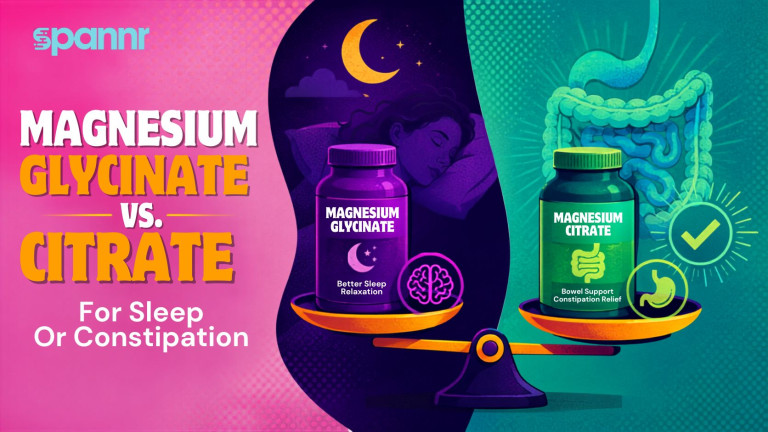
One small trial of older adults with insomnia found magnesium helped them sleep.
Source: Abbasi et al., Journal of Research in Medical Sciences, 2012 (opens in a new tab)
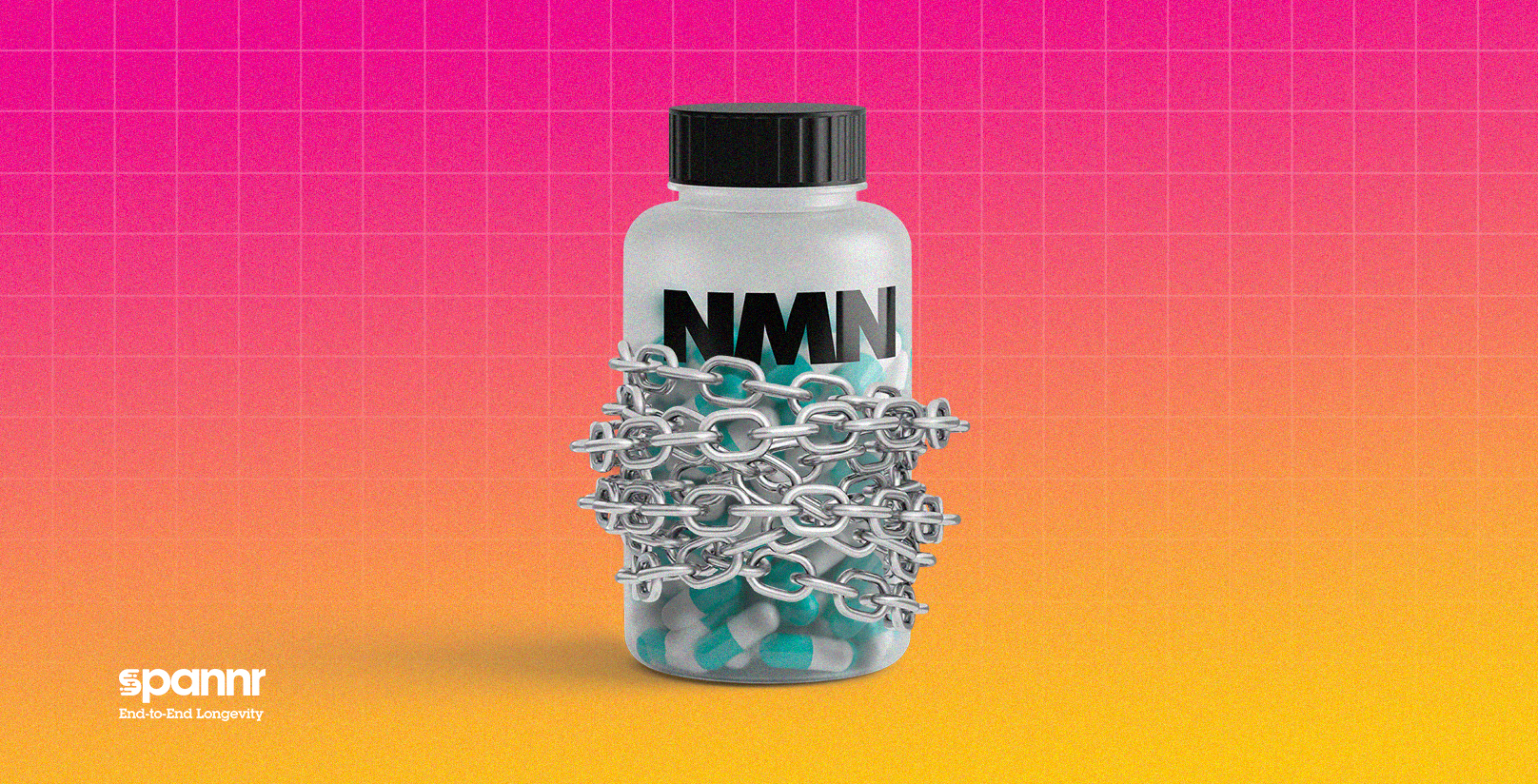
They raise NAD+ in your blood. In people, the benefits so far are small: one trial found better insulin sensitivity in 25 women with prediabetes.
A popular nootropic combo. A small study of 27 people found sharper focus within an hour or two.
Source: Owen et al., Nutritional Neuroscience, 2008 (opens in a new tab)
In older adults who lifted weights, metformin blunted muscle gains. It's a prescription drug, so talk to your doctor.
Source: Walton et al., Aging Cell, 2019 (opens in a new tab)
Its FDA drug label carries a boxed warning: it can cause serotonin syndrome in people taking certain antidepressants.
Source: FDA-approved label for ProvayBlue (methylene blue), 2024 (opens in a new tab)
The FDA doesn't approve supplements before they're sold. Look for a USP or NSF seal.
Source: FDA, "Questions and Answers on Dietary Supplements" (opens in a new tab)
Start here
Test first, then add one thing at a time.
I'm a longevity health coach, not a doctor.
If you get a rash, stomach pain, yellow skin or eyes, or anything new after starting something.
What's each one for, and how strong is the research? Here's the short version.
| Supplement | What it's for | Research | I take it |
|---|---|---|---|
| Creatine | Muscle and strength | Solid | |
| Vitamin D3 | Fixing a low level | Promising if you're low | Yes |
| Fish oil | Heart | Mixed | |
| Magnesium glycinate | Sleep | Thin | Yes, before bed |
| Turmeric | Joint pain | Promising | Yes |
| NMN or NR | NAD+ | Thin | |
| Urolithin A | Muscle endurance | Promising | |
| Metformin | Prescription, studied for aging | Watch out | Yes, prescribed |
What I take
I take more than this, and I'll add each one as I write it up. Some of it isn't FDA-approved, and I take it all with my doctor's oversight. This is what I take, not a prescription for you.
Every day. The research says it helps most if you're low, so test first.
Before bed.
Part of my daily stack.
My go-to on big work days, and the most effective so far. It makes me a little jittery, so not every day.
Once a week. They've worked well for me.
Something I've experimented with, with my doctor's oversight, and it works for me. Not medical advice. Don't mix it with antidepressants like SSRIs. The FDA has warned about serious reactions.
Monday, Wednesday and Friday, with my doctor's oversight. It's not FDA-approved, and it's banned in sports competition, so don't try it on your own.
Part of my rotation, with my doctor's oversight. It's not FDA-approved, so don't try it on your own.
CDP choline, uridine, phosphatidylserine and L-tyrosine. Not all every day, but I combine them often.
I use it too.
Prescription only. My doctor prescribed it. Don't start it on your own.
347 vitamin service spots listed on Spannr
See every clinic near youSearch by ZIP code
 Longevity
 Learn
 Research
 Supplements
Want it faster?
Some of these come as IV drips too. See what's in the bag, what it costs and how I felt after.
Start with your bloodwork. Fix what's low, then add the proven basics.
No. The FDA doesn't approve supplements before they're sold. Look for a USP or NSF seal.
They raise NAD+ levels. Human benefits so far are small and mixed.
It's a prescription drug, and there's no finished trial showing it slows aging in healthy people. Talk to your doctor.
Many people take it at night. I take glycinate before bed.
If your level is low, yes. Test first.
I'm always testing new products. Tell me what you've got. Third-party tested only.
Plain English. Every week. Free.
Includes the Longevity 101 guide and a one-page starter checklist. Unsubscribe any time.
Plus the How Much Do You Really Know quiz when it launches. Unsubscribe any time.